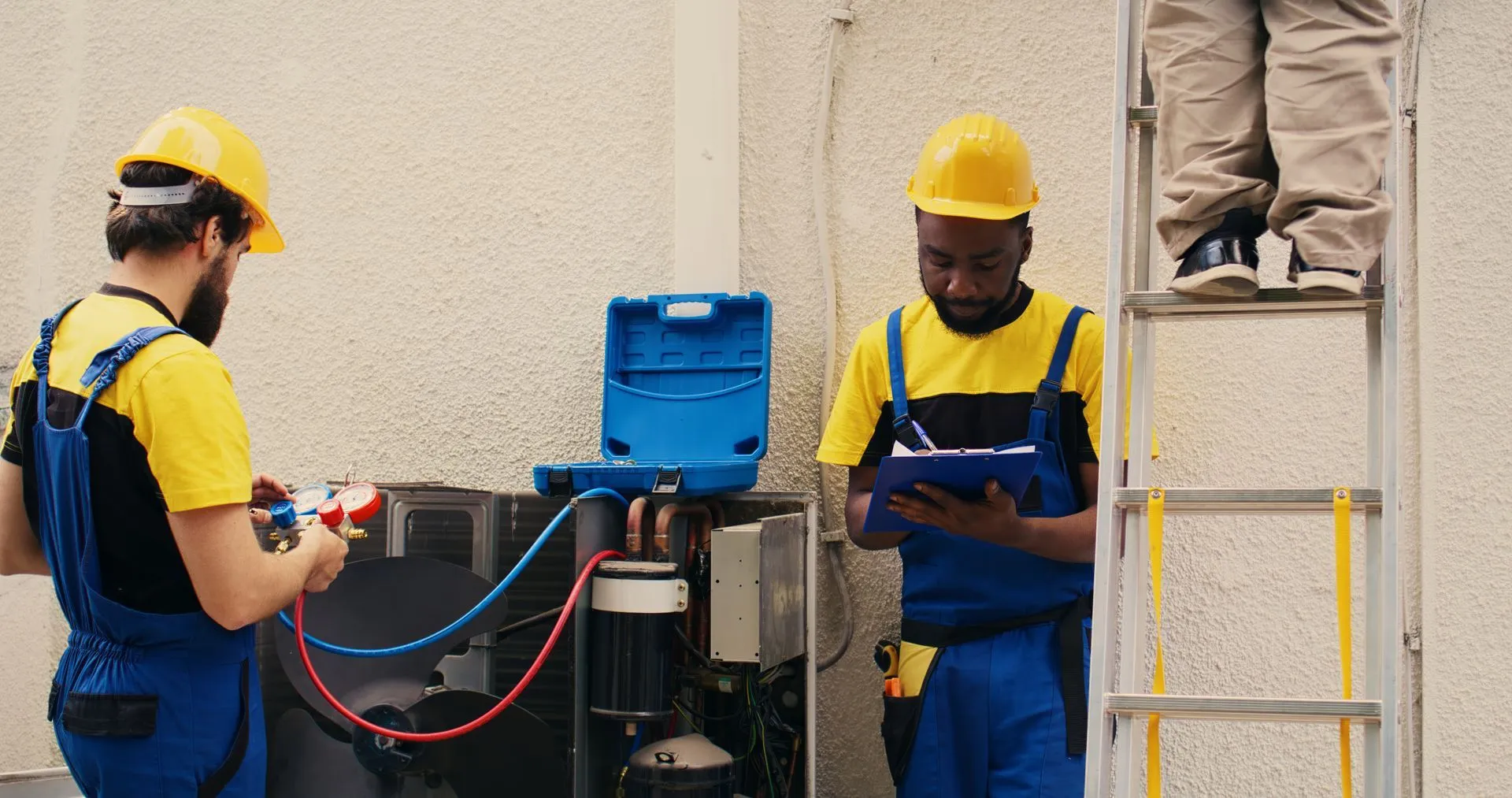
Generator Installation & Maintenance in Ridgeland, MS and Nearby Areas
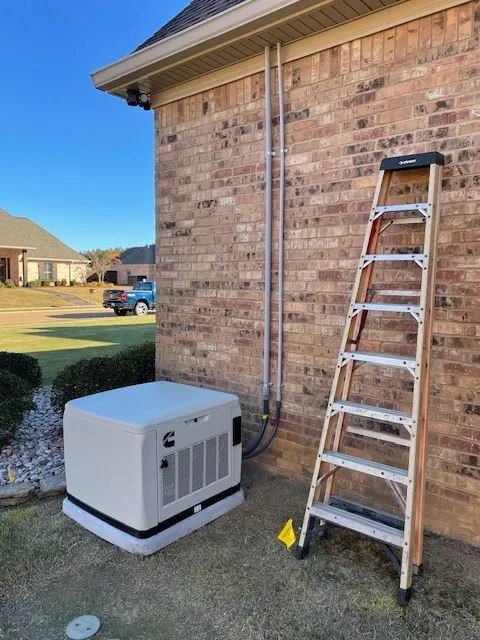
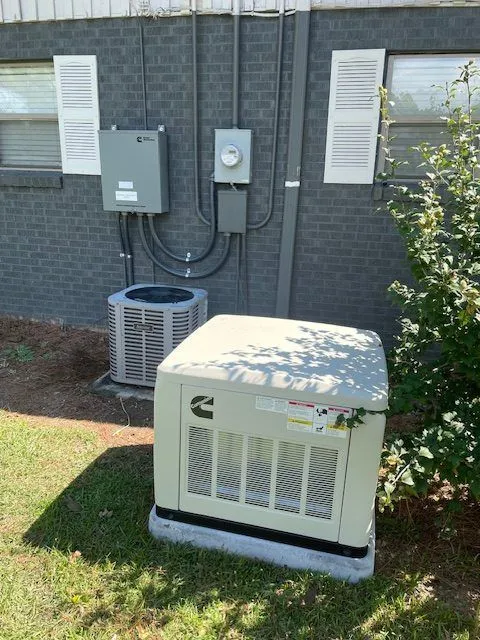
When folks call about generator installation, it’s usually after one good storm reminds them how quickly the power can go out around Ridgeland. We’ve seen whole streets go dark in minutes—and some homes stay that way a lot longer than you’d expect.
Having a backup generator that’s sized right and maintained properly isn’t a luxury around here; it’s peace of mind. After decades doing this work, we can tell you: a generator only helps if it’s installed safely and ready to run when the lights actually go out.
Local Realities We Deal With Every Storm Season
Storm Seasons Hitting Ridgeland Hard
Here’s the thing—our storms don’t just flicker the lights. They take down limbs, lines, and whole sections of grid. Most homeowners don’t realize how often certain pockets of Ridgeland lose power until it happens a couple times in the same season. That’s where a reliable standby generator makes all the difference.
Homes Along Natchez Trace Trails
The outages last longer up that way. The lines stretch farther, and when something goes down, it takes crews a while to get out there. A home generator gives folks there a steady backup, especially when the storms stack up week after week.
Commercial Needs
Restaurants, offices, and clinics near County Line and Northpark can’t afford downtime. A commercial generator keeps refrigeration steady, protects computer systems, and makes sure you’re not sending staff home early. Power loss costs money—sometimes a lot of it.
Heat & Cold Spikes
When that Mississippi heat hits, or we get those sharp winter dips, generators run harder. We see a lot of strain during these swings, which is why regular generator maintenance keeps things from quitting on you at the worst time.
How We Install & Maintain Generators
After doing this for decades, we’ve learned that a generator setup is only as strong as the planning behind it. A clean install, a proper transfer switch, and steady upkeep—that’s what keeps your system dependable.
Sizing
We start by figuring out what you actually need: just the essentials or whole-home coverage. Oversized or undersized units both cause problems, so we take the time to match your load the right way.
Placement
A generator needs proper clearance, a safe distance from windows, and stable ground. We look at drainage, ventilation, and fuel access before anything gets mounted.
Wiring
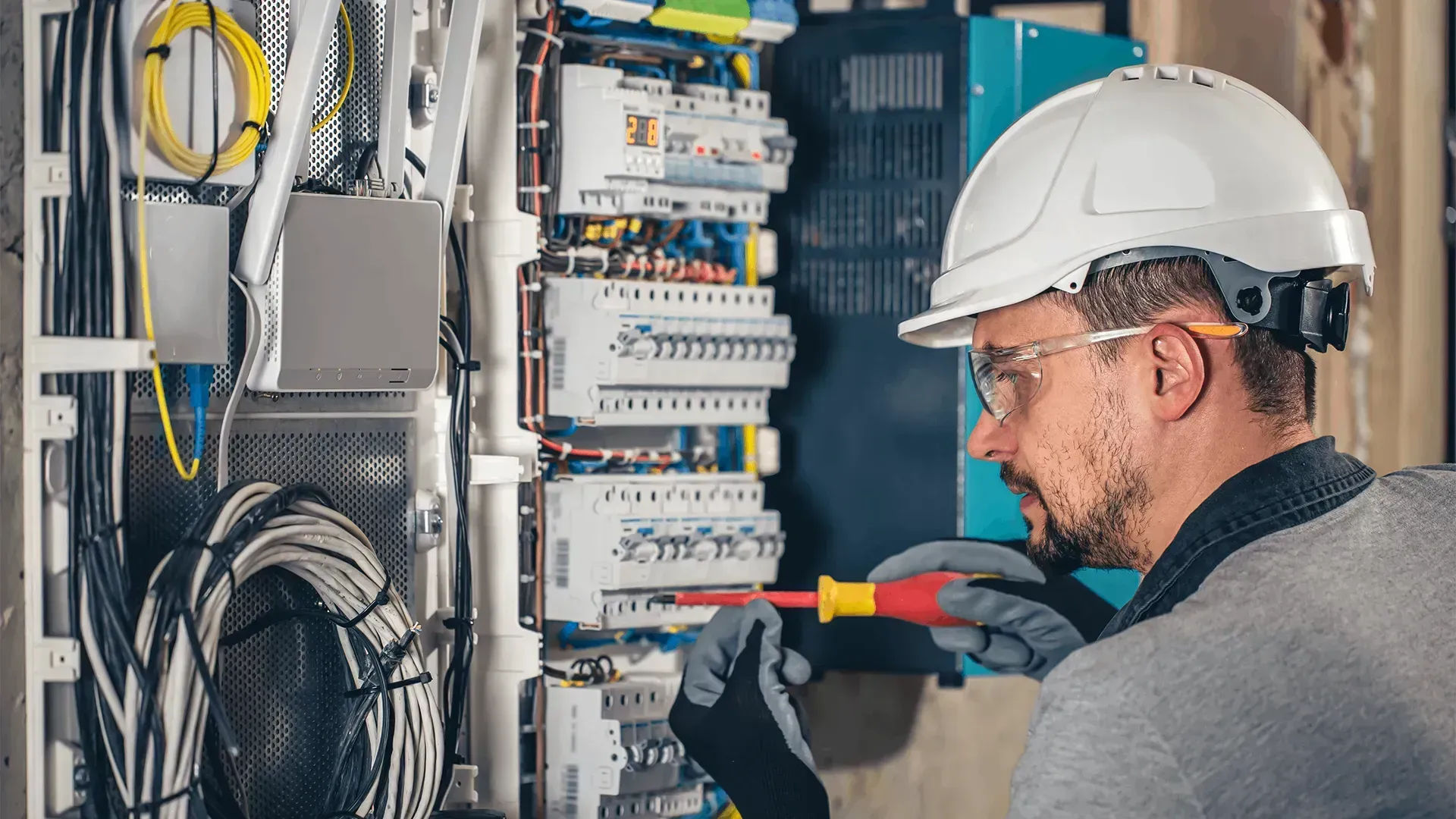
From there, we run the wiring cleanly back to the panel. No shortcuts, no messy connections. Whether it’s a new unit or you’re upgrading an older one, safety stays at the front of the job.
Transfer Switch Installation
A generator transfer switch installation is what keeps the generator and the grid from fighting each other. We make sure the switch is rated for your load and tested before we call the job done.
Testing
Once everything is tied in, we run the system under load. You want to hear it cycle, feel the transitions, and know the generator will actually fire when the house goes dark.
Maintenance Schedule
Here’s the part most folks forget—regular upkeep. Oil changes, filter checks, battery health, and fuel condition. If you’re searching for generator servicing near me, we handle all the routine work that keeps your unit ready to run. A lot of failures happen simply because generators sit too long without attention.
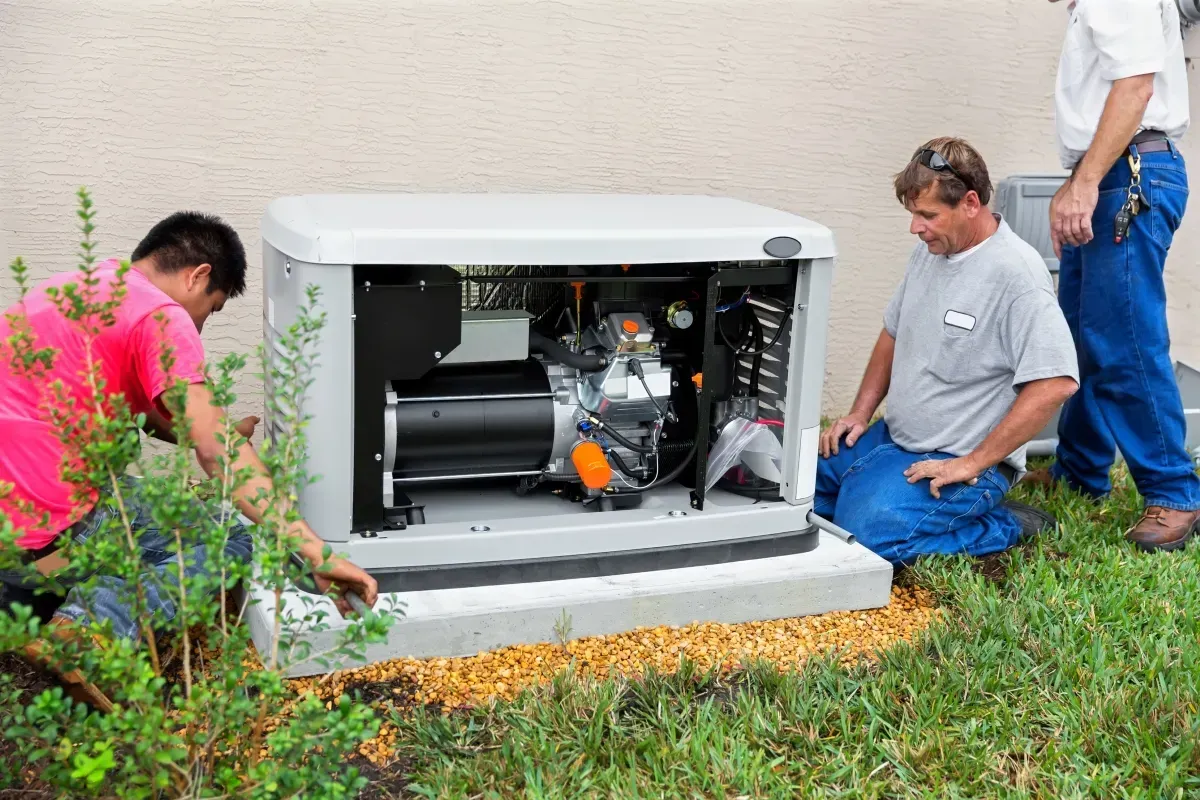

All work is guaranteed
Residential vs. Commercial
For Homes
When the power drops, a home generator keeps the essentials going: fridges, freezers, your HVAC, lights, and medical devices if you rely on them. It's the difference between being able to ride out a storm comfortably or having to rush to keep things from going worse.
For Businesses
With commercial properties, it comes down to operations and safety. A commercial generator protects inventory, equipment, security systems, and day-to-day workflow. Even a short outage can interrupt business in a way that takes hours to recover from.

Why Locals Trust R S Electric Services
We’re not in a hurry to move on to the next job. Clean installs, safe fuel connections, and honest maintenance have kept people calling us back for years.
When someone searches for a generator installation company or generator repair near me, they’re usually tired of band-aid fixes. We take our time because outages don’t give you second chances—when your lights go out, the generator has to run. It’s that simple.
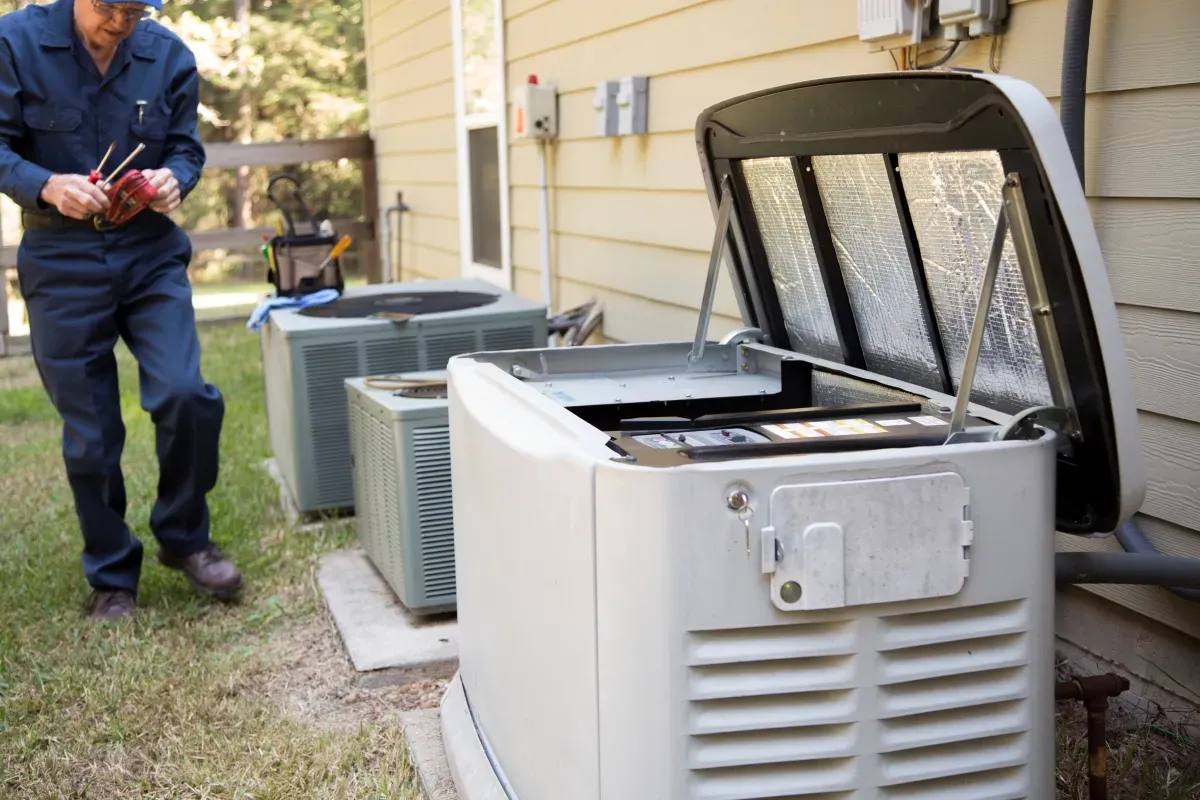
Our Local Know-How
After weathering more Mississippi storms than I can count, you start to see the same patterns:
- Batteries fail after long idle periods.
- Low oil shutoff trips during heatwaves
- Fuel lines clog from old fuel
- Units stall during cold snaps if they haven’t been serviced.
A quick generator repair or routine generator service usually catches these before they turn into outages that last all night.
The Outcome
When we’re done, you’ve got a system that starts up when the grid goes down—no guessing, no hoping, just steady power when storms roll through. That’s the whole point of having a standby generator in Ridgeland.
Ready to Get Set Up?
If you’re thinking about installing a new unit or need a seasoned electrician near me to look over the one you’ve got, call 601-957-1405.
We handle everything from emergency generator installation to long-term upkeep, and we’re here when you need an electrician who knows Ridgeland homes inside and out.
FREQUENTLY ASKED QUESTIONS
How do I know what size generator I need?
We size it based on your appliances, HVAC, and how much of the house or building you want to run during an outage.
How often should generator maintenance be done?
Once a year at minimum—more often if it runs regularly or sits unused for long stretches.
What fuel types do generators use?
Most units run on natural gas, propane, or diesel. Each one has its own maintenance needs.
How long does a generator typically last?
With steady upkeep, most units run 10–15 years without trouble.
Will the generator turn on automatically during an outage?
If you’ve got a proper transfer switch installed, yes—a standby generator will kick on when the power drops.