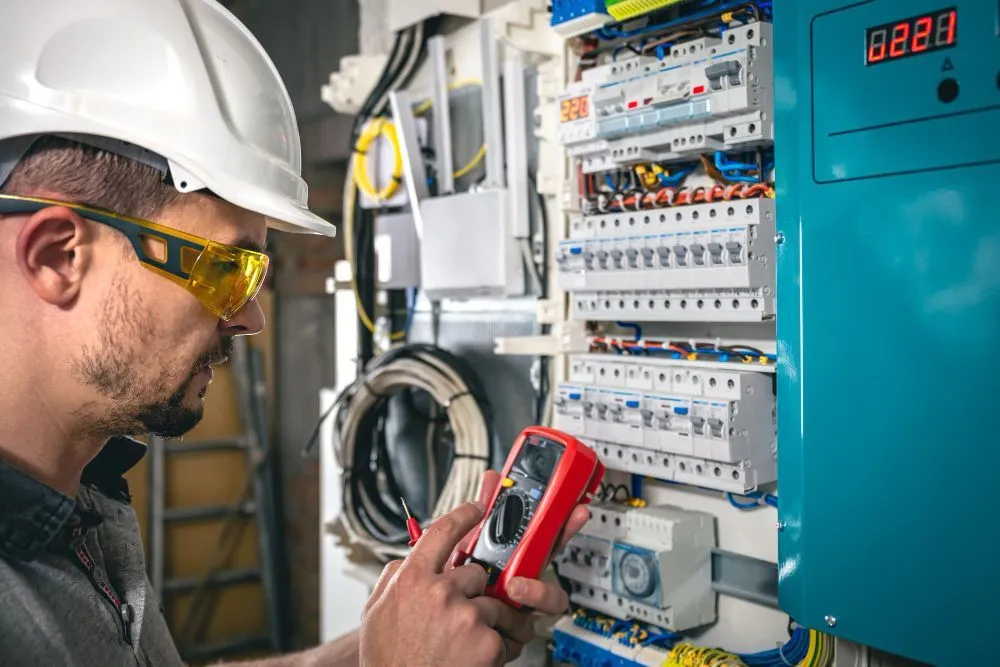
Reliable Electrical Inspections in Ridgeland, MS and Nearby Areas
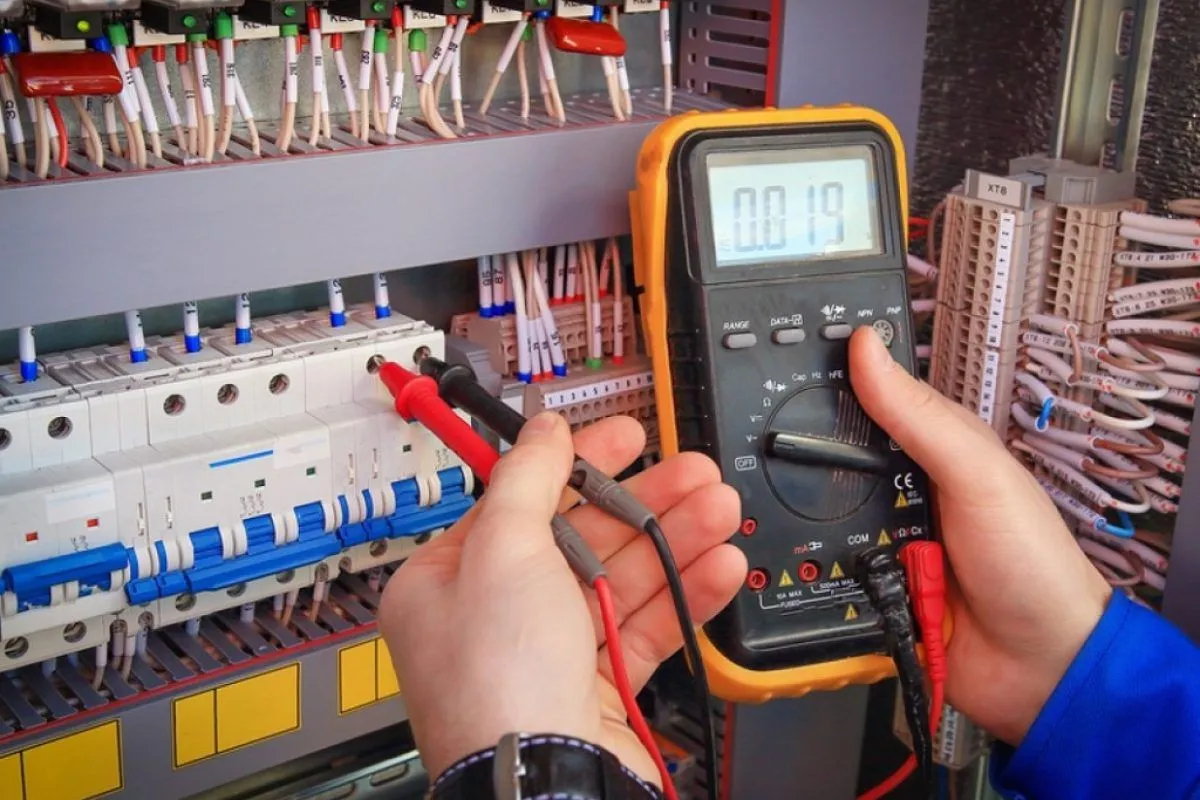
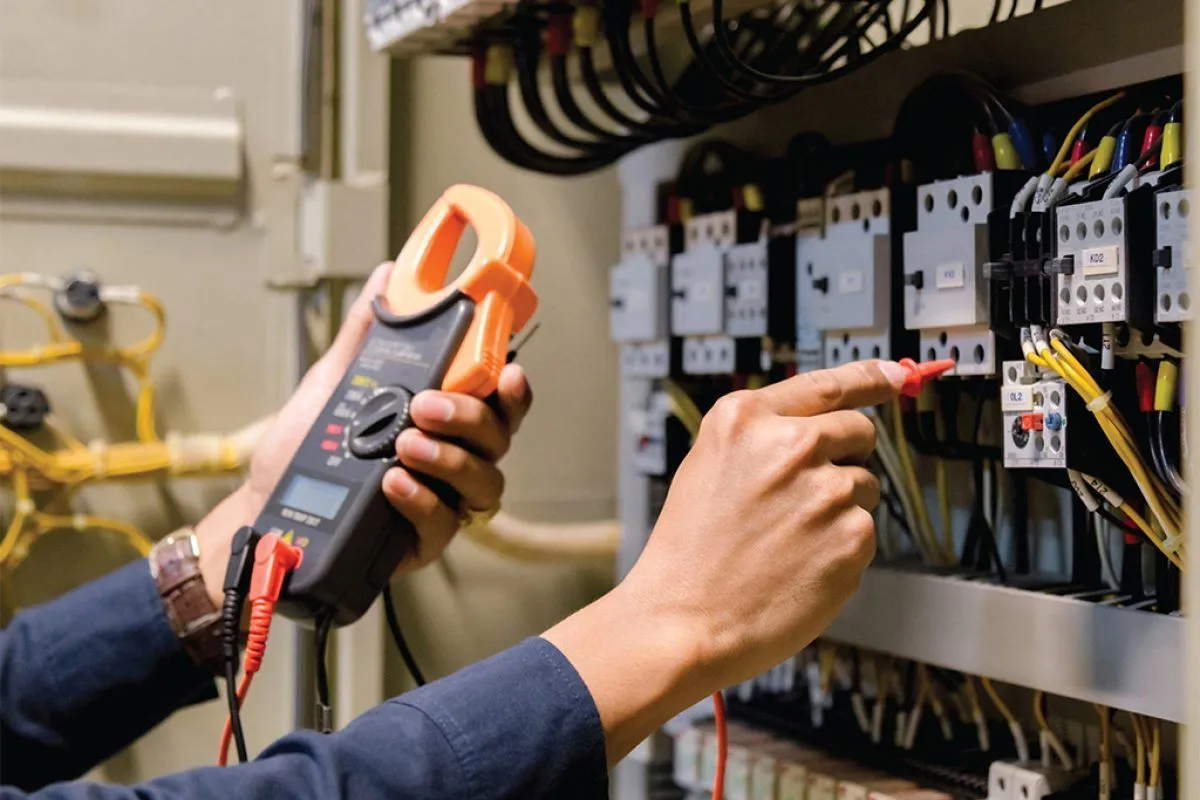
When folks call asking about an electrical inspection, it’s usually because they want to make sure everything behind the walls is still as safe as it should be. And around Ridgeland—with the mix of older neighborhoods, additions, and steady Mississippi humidity—it’s a smart thing to stay on top of.
After doing this work for decades, we’ve learned that most electrical issues don’t make noise until they’ve already become a problem, so a good look at your system goes a long way whether you’re buying a home or just keeping yours in good shape.
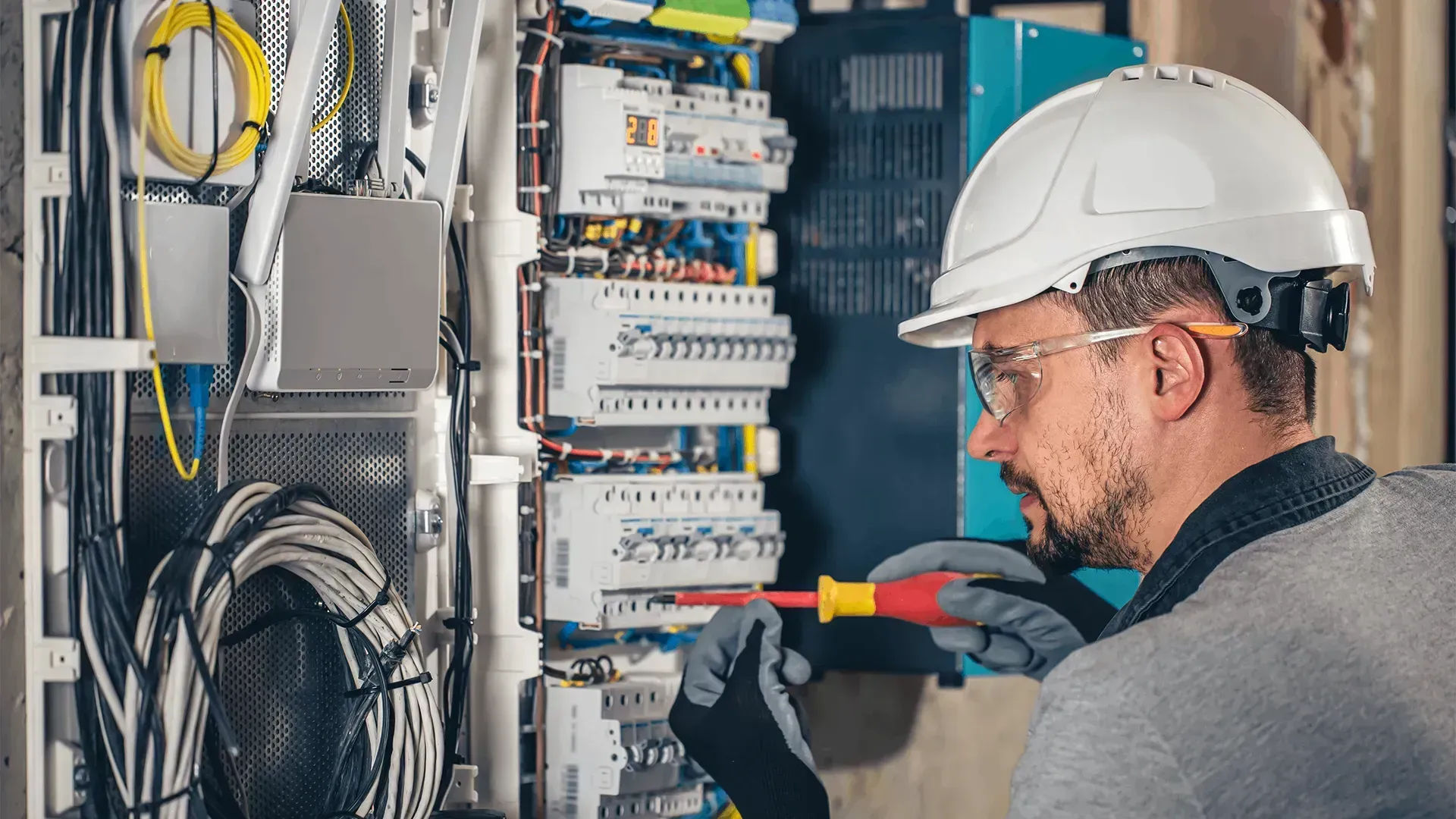
Local Realities We See Every Week
Here’s the thing—Ridgeland isn’t one of those towns where every house looks the same inside the walls. We’ve got older places, new builds, and everything in between, and each type has its own set of things to watch for during an electrical safety inspection.
Older Homes Off Rice Road
A lot of those homes have wiring that’s simply been there too long. Some of it wasn’t built for today’s appliances or the amount of load folks put on their panels now. That’s why a proper residential electrical inspection makes such a difference. Outdated wiring is common—and usually hidden.
Additions & Renovations Across Ridgeland
We’ve seen it all up here. Someone adds a room, expands a kitchen, or closes in a garage… but the circuits feeding that space never get updated. A quick electrical system inspection usually tells the whole story.
Commercial Properties Near Northpark
Shops and offices near Northpark run heavy lighting, HVAC, and equipment. If you’re a business owner, staying on top of your commercial electrical inspection isn’t just about codes—it keeps your doors open and your insurance satisfied.
Humidity & Corrosion Concerns
Between the heat, storms, and humidity, panels and breakers in Mississippi take a beating. Corrosion shows up in spots most people never think to look. That’s usually how it goes: the weather wears things down slowly until something finally gives.
How We Inspect—Step by Step, Nothing Rushed
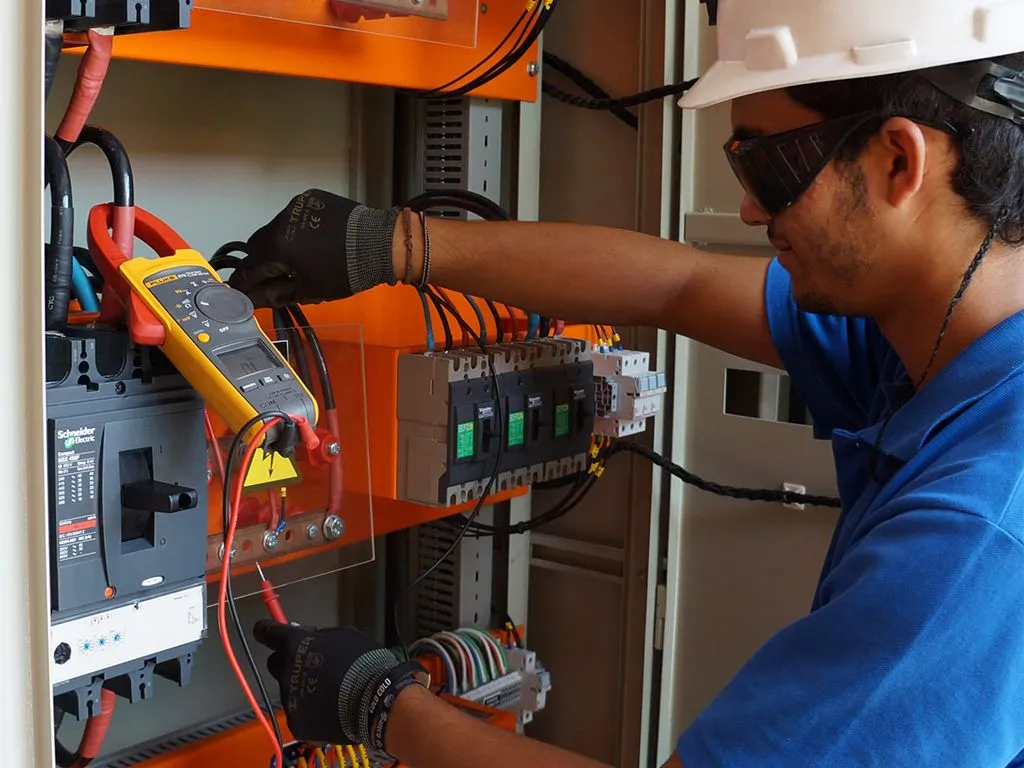
We don’t gloss over anything. A solid inspection starts at the main panel and works its way through each part of the system.
After this many years on the job, you learn the signs—a warm breaker, a loose neutral, a wire that’s been tucked too tight. Here’s how we handle a full electrical panel inspection, wiring check, and everything in between:
Panel Inspection
We open the panel and look for the things that cause trouble first: corrosion, heat on the bus bar, double-tapped connections, worn breakers, and any signs the panel’s been overloaded more than once. If the panel isn’t right, nothing else will be either.
Circuit Breaker Inspection
We test each breaker to make sure it trips the way it’s supposed to. Breakers get weak over time—especially in older homes—and that’s something you don’t want to find out the hard way.
Wiring Inspection
We check accessible wiring for anything that shouldn’t be there: aging insulation, spliced sections, old aluminum runs, DIY fixes, or circuits stretched past what they were meant to handle. A good wiring inspection catches issues early.
GFCI Testing
Kitchens, bathrooms, garages—anywhere there’s moisture, we test the GFCIs. If they’re not protecting you like they should, we’ll tell you straight.
Load Checks
We run load tests to make sure your circuits aren’t carrying more than they were designed to. This is where a lot of problems start in older homes and growing businesses.


All work is guaranteed
Residential vs. Commercial—Different Needs, Same Care
For Homes
A home electrical inspection helps you catch fire hazards, overloaded panels, outdated wiring, and anything that could trip your breakers more than it should. It’s especially important if you’re buying a home—you’d be surprised what a general home inspection misses.
For Businesses
With commercial spaces, the focus shifts to code compliance, insurance requirements, and keeping equipment running without interruptions. Whether you need a routine check or a full commercial electrical inspection, it keeps everything consistent and safe for your staff and customers.

Why Locals Trust R S Electric Services
We’re not here to sell you anything you don’t need. Folks call us because they know we’ll give them the truth—what’s good, what’s borderline, and what needs to be fixed sooner rather than later. After decades as a licensed electrical inspector, you get a pretty good eye for what Ridgeland homes and buildings go through.
Honest reporting, steady hands, local experience—that’s all it is.
Local Know-How: Common Ridgeland Problems
You start to notice patterns when you’ve been doing inspections this long.
- Many older homes still rely on outdated breakers that don’t handle today’s loads.
- We see grounding issues more often than most people expect.
- After storms, corrosion and moisture are common inside panels—usually months later.
- Additions done years ago sometimes hide wiring problems that only show up during a detailed electrical inspection.
These aren’t scare tactics—just things we’ve learned from years working in the same neighborhoods.
What You Get After the Inspection
When we’re done, you’ll have a clear picture of what’s going on—what’s safe, what’s starting to show its age, and what really needs attention. No confusing language, no pressure. Just a straightforward breakdown you can trust.
Ready to Schedule?
If you need an inspection or just want a seasoned electrician near me to take a look at your system, call 601-957-1405. We’ve been working in Ridgeland homes and businesses for years, and we’re here when you need an electrician who knows the area.
FREQUENTLY ASKED QUESTIONS
What does an electrical inspection include?
We check the panel, breakers, wiring, outlets, grounding, load, and overall safety of the system.
How often should a home be inspected?
Every few years is a good rule of thumb—more often if the home is older or heavily renovated.
Should I get an inspection before buying a home?
Yes. A home electrical inspection gives you information a general home inspector can’t provide
Do you check for code issues?
We do. Part of any proper electrical safety inspection is comparing the system to current electrical standards.
What if repairs are needed?
We’ll explain what’s going on, why it matters, and what your options are. No pressure—just the facts.